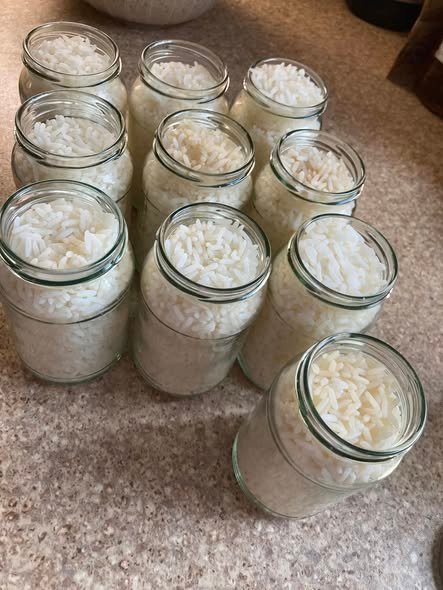
Canned Cooked Rice
Introduction
Canned cooked rice is a simple food that can save time when you want a warm and filling meal without spending a long time in the kitchen.
This recipe uses commercially prepared canned cooked rice and turns it into a tasty homemade meal with vegetables, eggs, herbs, and simple seasonings.
The rice is already cooked, so you do not need to wait for a pot of rice to finish cooking.
You simply open the can, drain it if needed, and add the rice to a pan with the other ingredients.
The result is a warm rice dish that is soft, flavorful, and easy enough for a beginner to prepare.
It is a useful recipe for busy mornings, quick lunches, easy dinners, or those days when you do not feel like cooking a complicated meal.
You can also change the vegetables and seasonings to match what you already have at home.
This makes canned cooked rice a practical choice for people who want homemade flavor with less kitchen work.
If you are looking for an easy canned cooked rice recipe, this dish is a great place to start.
Many people love canned cooked rice because it makes meal preparation much easier.
Cooking rice from raw grains can take time, and you also need to measure water and watch the pot.
With commercially prepared canned cooked rice, much of that work has already been done for you.
The rice is ready to heat and combine with other foods.
This can be especially helpful when you come home tired or have only a short time to prepare lunch.
The soft rice also works well with many flavors, including vegetables, eggs, chicken, beans, herbs, and mild spices.
You can make the dish light and fresh or rich and comforting depending on what you add.
A warm bowl of rice can feel satisfying and comforting after a long day.
That simple comfort is one of the reasons rice remains a favorite food in many homes around the world.
This recipe is also useful when you want a balanced meal without spending hours in the kitchen.
Rice provides carbohydrates that your body can use for energy, while vegetables add color, fiber, and different vitamins and minerals.
Eggs add protein and make the meal more satisfying.
You can also add beans, cooked chicken, tofu, or another protein if you want a more filling plate.
For people who enjoy simple meals, this recipe can be changed again and again without becoming boring.
You can make a vegetable version on one day and add chicken or beans on another day.
It is also a good recipe for using small amounts of vegetables that are sitting in your refrigerator.
Instead of letting those vegetables go to waste, you can chop them and add them to the rice.
This makes the dish both practical and enjoyable.
There is also something comforting about turning a simple pantry ingredient into a warm homemade meal.
When you are busy, tired, or simply not in the mood for a complicated recipe, an easy rice dish can make cooking feel less stressful.
The smell of garlic, onion, vegetables, and warm rice can make the kitchen feel welcoming.
The recipe is also easy to adjust if you are cooking for one person or several people.
You can make the flavor mild for children or add more spice if your family enjoys stronger food.
For a lighter meal, you can use more vegetables and a moderate amount of oil.
For a more filling meal, you can add eggs, beans, chicken, or tofu.
The main idea is simple: use ready cooked rice as a convenient base and build a delicious meal around it.
With a few everyday ingredients, you can turn canned cooked rice into something that tastes fresh, warm, and homemade.
Ingredients You Will Need
This recipe makes about 4 servings.
Main Ingredients
- 4 cups commercially canned cooked rice
- 2 tablespoons cooking oil
- 1 medium onion, finely chopped
- 2 cloves garlic, finely chopped
- 1 medium carrot, finely chopped
- 1 small bell pepper, finely chopped
- 1 cup green peas
- 2 large eggs
- 2 tablespoons soy sauce
- 1 tablespoon lemon juice
- 1 teaspoon salt, or according to taste
- 1 half teaspoon black pepper
- 1 half teaspoon paprika
- 2 tablespoons fresh coriander, chopped
- 2 green onions, finely sliced
Optional Ingredients
- 1 cup cooked chicken, chopped
- 1 cup cooked chickpeas
- 1 cup firm tofu, cut into small pieces
- 1 small red chili, finely chopped
- 1 teaspoon sesame oil
- 1 tablespoon roasted sesame seeds
For Serving
- Fresh lemon wedges
- Extra coriander
- Extra green onion
- Plain yogurt, if desired
- Fresh salad, if desired
Step by Step Method
Step 1: Read the Rice Package
Before you begin cooking, check the label on your commercially canned cooked rice.
Different products can have different amounts of water, salt, and cooking instructions.
Follow the storage and heating instructions given by the manufacturer.
Do not use a can that is badly damaged, leaking, swollen, or has an unusual smell when opened.
Once you know the rice is safe to use, open the container carefully.
If there is extra liquid, drain it according to the package instructions.
Place the rice in a clean bowl and gently separate large pieces with a spoon.
Do not mash the rice because you want the grains to remain as separate as possible.
Set the rice aside while you prepare the other ingredients.
Step 2: Prepare the Vegetables
Wash the carrot, bell pepper, coriander, green onions, and any other fresh vegetables you plan to use.
Peel the onion and garlic.
Chop the onion into small pieces so it cooks quickly.
Finely chop the garlic because small pieces spread their flavor throughout the dish.
Cut the carrot into small pieces that are easy to eat.
Cut the bell pepper into similar sized pieces.
If you are using fresh chili, remove the seeds if you want a milder flavor.
Chop the coriander and slice the green onions.
Keep the prepared vegetables in separate small bowls or place them together in a large bowl.
Step 3: Prepare the Eggs
Crack the eggs into a small bowl.
Beat them gently with a fork until the yolks and whites are combined.
You do not need to beat them for a long time.
A few gentle strokes are enough.
Set the eggs aside until the vegetables are partly cooked.
Adding eggs gives the rice extra protein and a soft texture.
If you do not eat eggs, you can leave them out.
You can replace them with cooked chickpeas, tofu, or another protein of your choice.
The recipe will still be tasty without eggs.
Step 4: Heat the Pan
Place a large frying pan or wide cooking pan over medium heat.
A wide pan is useful because it gives the rice enough space to heat evenly.
Add the cooking oil and allow it to warm for a few seconds.
Do not let the oil smoke.
Medium heat is better than very high heat for this recipe because the vegetables need time to soften.
A pan that is too hot can burn the garlic before the other ingredients are ready.
Once the oil is warm, add the chopped onion.
Stir the onion gently so it is coated with oil.
Cook until the onion becomes soft and slightly clear.
Step 5: Add the Garlic
Add the chopped garlic to the softened onion.
Stir gently and cook for about 30 seconds to one minute.
You should notice a pleasant garlic smell.
Do not cook the garlic for too long because it can become bitter if it burns.
If you are using fresh chili, add it at this stage.
Stir the mixture so the garlic and chili spread through the onion.
Keep the heat at medium.
The goal is to release the flavor without making the garlic dark.
Once the garlic smells fragrant, move to the vegetables.
Step 6: Cook the Carrot and Bell Pepper
Add the chopped carrot and bell pepper to the pan.
Stir everything together with a wooden spoon or spatula.
Cook the vegetables for about 4 to 5 minutes.
They should become slightly soft while still keeping some color and texture.
Do not cook them until they become completely soft because they will continue cooking later.
The carrot adds a mild sweetness to the rice.
The bell pepper adds a fresh taste and a pleasant crunch.
You can also add other vegetables such as corn, cabbage, spinach, or green beans.
Use vegetables that cook in a similar amount of time so everything is ready together.
Step 7: Add the Green Peas
Add the green peas to the pan.
If you are using frozen peas, there is usually no need to fully thaw them first.
Stir them into the other vegetables.
Cook for another 2 minutes.
The peas should become warm and tender.
They also add a lovely green color to the dish.
If you are using canned peas, drain them before adding them.
Because canned peas are already cooked, they only need to warm through.
Taste one vegetable if you want to check its texture before moving forward.
Step 8: Cook the Eggs
Push the vegetables toward one side of the pan.
Add the beaten eggs to the empty side of the pan.
Let the eggs cook for a few seconds before stirring them.
Then gently move them around with your spatula.
Cook until the eggs are fully set.
Once cooked, mix them with the vegetables.
Keep the egg pieces fairly small so they spread throughout the rice.
If you prefer larger pieces of egg, you can leave them slightly bigger.
Make sure the eggs are fully cooked before adding the rice.
Step 9: Add the Canned Cooked Rice
Now add the prepared cooked rice to the pan.
Use a spatula or wooden spoon to gently mix the rice with the vegetables and eggs.
Do not stir too aggressively because the rice can become mashed.
Use a lifting and turning motion instead.
Break apart any large clumps carefully.
Make sure the vegetables and egg are spread throughout the rice.
The rice should gradually become warm as it mixes with the hot ingredients.
Continue cooking over medium heat for about 4 to 6 minutes, depending on the package instructions and the amount of rice.
Follow the heating directions on the rice package whenever they differ from this general method.
Step 10: Add the Seasonings
Add the soy sauce, black pepper, paprika, and salt.
Be careful with the salt because soy sauce can already contain a good amount of sodium.
Start with a small amount of salt and add more only if needed.
Stir gently so the seasonings reach the rice evenly.
The soy sauce gives the dish a savory flavor and a deeper color.
Paprika adds mild warmth and color.
Black pepper adds a gentle spicy taste.
If you enjoy stronger flavors, you can add a small amount of chili.
Taste the rice after mixing the seasonings and adjust carefully.
Step 11: Add Lemon Juice
Turn the heat slightly lower.
Add the lemon juice and stir gently.
The lemon adds freshness and helps balance the savory taste of the rice.
You do not need a lot of lemon juice.
Too much can make the rice taste sour.
Start with one tablespoon and add a little more if you prefer a brighter flavor.
This small step can make a big difference in the final taste.
The fresh citrus flavor works especially well with vegetables and herbs.
If you prefer a richer taste, you can use a small amount of sesame oil instead.
Step 12: Add Fresh Herbs
Turn off the heat.
Add the chopped coriander and sliced green onions.
Gently mix them through the hot rice.
Fresh herbs add color, freshness, and a pleasant smell.
Adding them at the end helps keep their fresh flavor.
You can save a little coriander and green onion for serving.
If you do not enjoy coriander, use fresh parsley instead.
You can also add a little mint for a fresh flavor.
The herbs are optional, but they make the finished dish look and taste more lively.
Step 13: Taste and Adjust
Take a small spoonful and taste the rice carefully.
Check the salt first.
If the rice tastes flat, you may need a little more soy sauce or lemon juice.
If you want more warmth, add a little black pepper or paprika.
If you enjoy spicy food, add a small amount of chili.
Do not add many seasonings at once.
Make small changes and taste again.
This simple habit helps you avoid making the rice too salty or spicy.
Once the flavor is right for you, the dish is ready to serve.
Step 14: Serve the Rice
Spoon the warm rice into serving bowls or plates.
Add fresh coriander and green onion on top.
Place a lemon wedge beside each serving.
You can serve the rice by itself as a simple meal.
You can also serve it with plain yogurt and a fresh salad.
If you want more protein, serve it with cooked chicken, beans, chickpeas, or tofu.
The dish is best served warm.
Do not leave cooked food at room temperature for a long time.
Store leftovers promptly in a suitable refrigerator container and follow safe food storage guidance for cooked foods.
Why This Recipe Is Special
This canned cooked rice recipe is special because it makes a comforting meal with very little preparation.
The biggest benefit is convenience.
Because the rice is already cooked commercially, you can spend your cooking time on the vegetables, eggs, and seasonings instead of waiting for rice to cook.
This makes the recipe useful for busy people, students, families, and anyone who wants a quick homemade meal.
The recipe also gives you a good chance to add vegetables to your meal.
Carrots provide color and a naturally sweet taste.
Bell peppers add freshness and a pleasant texture.
Green peas add a soft bite and a beautiful green color.
You can easily add other vegetables based on what you have available.
This means the recipe can help you use vegetables before they are forgotten in the refrigerator.
Rice is also a useful source of carbohydrates.
Carbohydrates provide energy for daily activities.
Eggs add protein, which can help make the meal more satisfying.
Nuts, beans, tofu, or chicken can be added if you want more protein.
Vegetables add fiber and many different nutrients.
The exact nutrition depends on the rice product and all the other ingredients you choose.
Another benefit is flexibility.
You do not have to make the recipe exactly the same every time.
You can make a mild version with carrots and peas.
You can make a spicy version with chili and paprika.
You can make a protein rich version with chicken or chickpeas.
You can make a vegetarian version with tofu and extra vegetables.
You can even make a simple egg and rice version when your pantry is nearly empty.
The texture is another reason to love this dish.
Good cooked rice should be soft but not completely mushy.
The vegetables add some bite, while the eggs add softness.
Fresh herbs give the final dish a light and fresh finish.
The result is a meal that feels much more special than simply heating a can of rice and eating it alone.
One important point is that commercially canned cooked rice is different from homemade rice that you place into a jar or can yourself.
Home canning of cooked rice is not recommended because rice is a low acid food and can create food safety concerns when processed incorrectly.
For this recipe, use commercially prepared canned cooked rice from a trusted source and follow its storage and heating instructions.
Extra Tips for Better Taste
Choose a canned cooked rice product that you already enjoy eating on its own.
The quality and flavor of the rice will affect the final dish.
Always check the package before using it and avoid containers that are swollen, leaking, badly damaged, or otherwise unusual.
Do not add too much salt at the beginning.
Soy sauce can already make the dish salty.
It is easier to add more salt later than to fix rice that has become too salty.
Taste the rice after adding the soy sauce and then decide whether more salt is needed.
For extra flavor, cook the onion slowly until it becomes soft and lightly golden.
This gives the dish a deeper sweet taste.
Just be careful not to burn the onion or garlic.
A little patience at this stage can improve the whole recipe.
You can toast sesame seeds in a dry pan for a short time and sprinkle them over the finished rice.
They add a pleasant nutty taste and a little crunch.
A small amount of sesame oil can also add a rich aroma.
Use it carefully because its flavor can become strong quickly.
Fresh lemon is better than bottled lemon juice when available.
The fresh flavor can make the rice taste brighter.
You can also add a little orange zest for a gentle sweet citrus note a fresh summer style meal, add chopped cucumber and fresh herbs after the rice has cooled slightly if you enjoy experimenting with flavors.
If you want a spicy rice dish, add fresh chili while cooking the vegetables.
If you want a mild dish, leave the chili out.
You can also serve chili sauce separately so each person can choose how spicy they want their food.
Adding cooked chicken is an easy way to make the meal more filling.
Use fully cooked chicken cut into small pieces.
Chickpeas are another good choice if you want a plant based option.
Tofu can also work very well, especially when lightly cooked before being mixed with the rice.
For a fresh summer style meal, add chopped cucumber and fresh herbs after the rice has cooled slightly.
For a warmer comfort meal, keep the rice hot and serve it with cooked vegetables.
You can create different versions of the same basic recipe throughout the year.
Do not overcrowd the pan if you are making a larger amount.
A crowded pan can make the food steam instead of heat evenly.
If you are doubling the recipe, use a very large pan or prepare it in two batches.
This helps the rice heat properly and keeps the vegetables from becoming too soft.
Use medium heat while combining the rice and vegetables.
Very high heat can make the bottom of the pan burn while the upper part stays cool.
Gentle and even heating gives you a better result.
Finally, always taste your food before serving.
Even the best recipe may need a small adjustment depending on the rice product and your personal taste.
A little lemon, pepper, herb, or soy sauce can change the final flavor in a wonderful way.
Final Thoughts
Canned cooked rice can be much more than a simple pantry food.
With a few fresh vegetables, eggs, herbs, and simple seasonings, it can become a warm and satisfying homemade meal.
The best part is that you do not need advanced cooking skills to make it.
You can prepare the vegetables, heat them in a pan, add the cooked rice, season everything, and serve.
The recipe is also flexible, so you can make it mild, spicy, vegetarian, or rich with chicken depending on what you enjoy.
It is a helpful option for busy days when you want something quick without giving up the feeling of a homemade meal.
If you keep commercially prepared canned cooked rice in your pantry, you can turn it into a tasty dish whenever you need a fast meal.
Try the basic recipe first, then experiment with different vegetables, herbs, and proteins as you become more comfortable.
A simple bowl of rice can become a meal that feels warm, colorful, fresh, and completely your own.
Nutrition Details
The nutrition information below is an estimate for the complete recipe using the main ingredients and assuming four servings.
Actual values can change depending on the canned rice product, brand of soy sauce, amount of oil, vegetable size, and serving size.
| Nutrition Item | Whole Recipe | Per Serving |
|---|---|---|
| Calories | About 1700 kcal | About 425 kcal |
| Protein | About 48 g | About 12 g |
| Carbohydrates | About 250 g | About 63 g |
| Fat | About 55 g | About 14 g |
| Fiber | About 20 g | About 5 g |
| Sugar | About 25 g | About 6 g |
| Sodium | About 3000 mg | About 750 mg |
These values are only general estimates.
The sodium level can be higher or lower depending on the canned rice and soy sauce you use.
If you are watching your sodium intake, choose a lower sodium rice product and use less soy sauce.
You can also increase the vegetables and use lemon, garlic, herbs, and spices for flavor instead of relying mainly on salt.
If you add chicken, chickpeas, tofu, sesame oil, yogurt, or another ingredient, the nutrition values will change.
A smaller serving will contain fewer calories and nutrients, while a larger serving will contain more.
For a lighter meal, increase the vegetables and keep the oil moderate.
For a more filling meal, add a suitable protein source.
Disclaimer
Everyone’s body is different, and nutrition needs can vary from person to person.
The nutrition information in this recipe is only an estimate and may change based on the exact ingredients, brands, cooking method, and serving size.
This article is for general food information and is not medical or dietary advice.
If you have a food allergy, medical condition, food intolerance, or special dietary requirement, check the ingredient labels carefully and speak with a qualified health professional when needed.
For food safety, use commercially prepared canned cooked rice according to the manufacturer’s storage and heating instructions.
Do not attempt to preserve cooked rice at home using ordinary canning methods unless you are following a tested and approved food preservation process.
Results, taste, texture, and nutrition can change from one kitchen to another.
Enjoy this recipe as part of a varied and balanced eating pattern.